The Notebook and the Voice Memo: An Argument for Slower Craft
Reflections on why transcription apps cannot capture silence, hesitation, or the nervous twitch of an interviewee's hands.
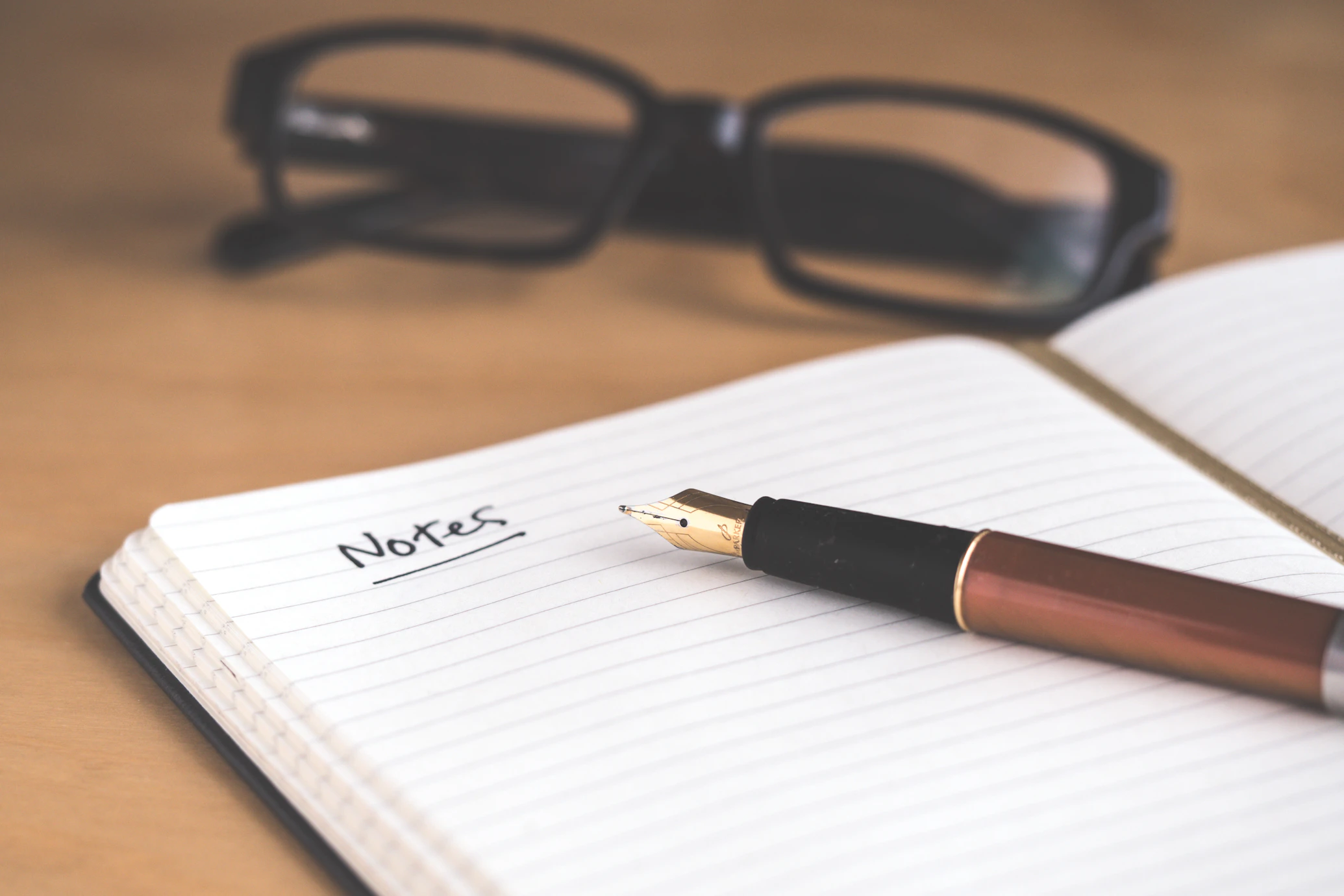
Every young journalist entering the field today is handed a suite of automated transcription tools, AI-assisted summary widgets, and cloud recorders. They are told that efficiency is the primary metric of modern news production.
I disagree.
A digital recorder captures audio waveform with immaculate fidelity. What it cannot capture is the three-second hesitation before a retired civil servant admits why he resigned from the water board in 2018. It cannot record the way his eyes darted toward the hallway before lowering his voice.
The physical reporter's notebook forces a different kind of listening. Because you cannot write down every syllable verbatim, you are forced to synthesize in real time. You listen for inflection, for contradictions, for the sudden shift from rehearsed talking points to genuine vulnerability.
When I look back at notebooks from five years ago, the most valuable markings are rarely the quotes. They are the marginalia: "hands trembling," "pointed to blue ledger under desk," "refused tea when topic changed to land allocation."
In an era where synthetic text can be generated in seconds, the only competitive moat remaining for human journalism is presence: being in the room, watching the micro-expressions, and caring enough to listen between the sentences.

